
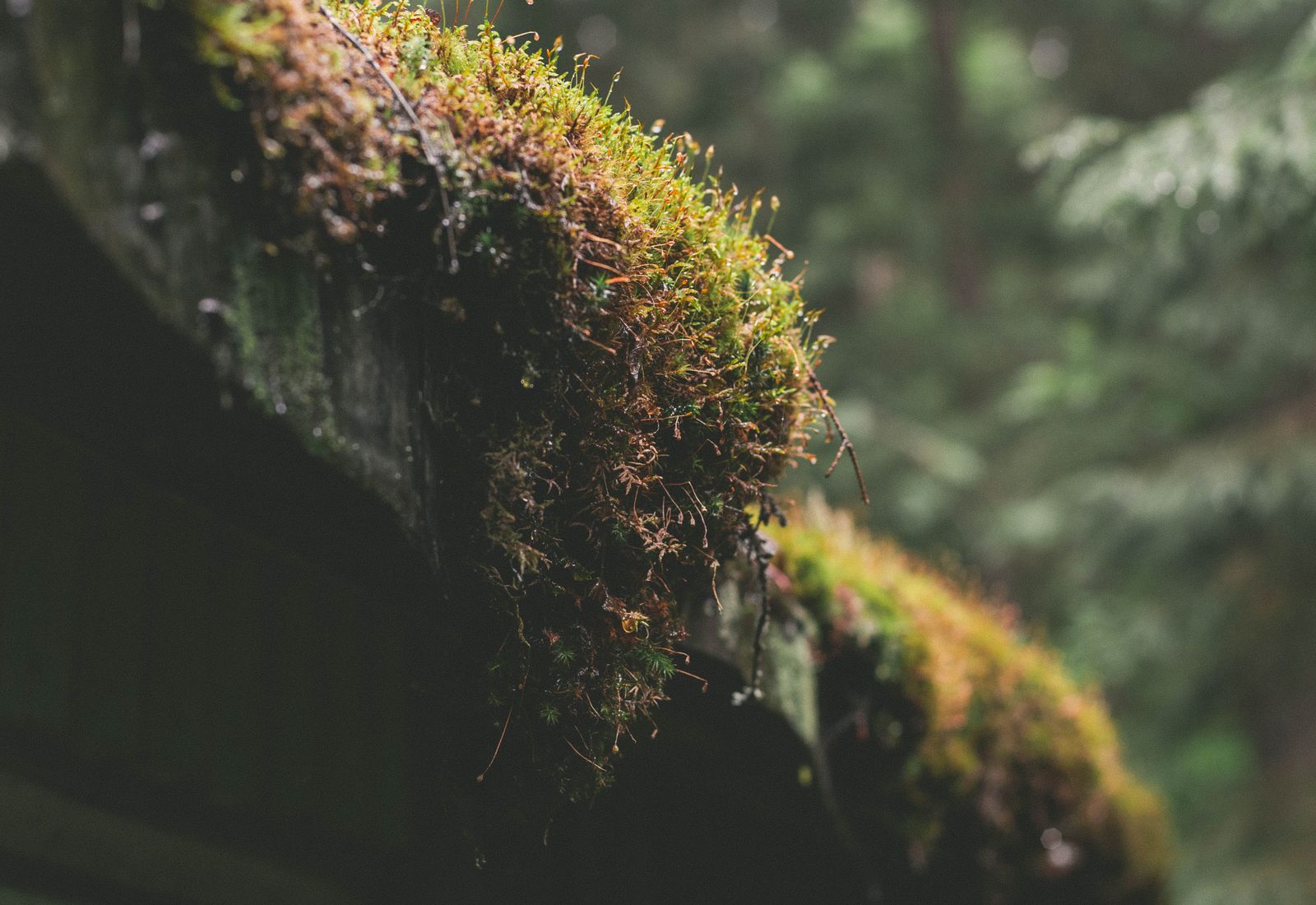
There’s a common belief floating around that moss on a roof is harmless — that it’s just a cosmetic nuisance, a bit of green you can ignore until it bothers you. It’s an appealing thought, because ignoring moss is easier than dealing with it. But is it true?
Let’s look honestly at the question every Vancouver homeowner eventually asks: does moss damage roof surfaces, or is it really just ugly?
The short answer: moss can absolutely damage a roof, but it doesn’t happen overnight, and it’s not inevitable. Understanding how and when moss becomes a problem is the key to knowing what to do about it.
How Moss Damages a Roof
Moss doesn’t chew through your roof the way pests chew through wood. Its damage is subtler and slower, but no less real. There are a few main ways it causes harm.
1. It Holds Moisture Against the Shingles
This is the big one. Moss acts like a sponge, holding water in direct, constant contact with your shingles long after the rest of the roof has dried. In our damp climate, that means the material under the moss stays wet for days at a time. Asphalt shingles, and especially cedar shakes, degrade faster the longer they stay wet. Over years, this constant dampness accelerates weathering and shortens the roof’s useful life.
2. It Works Its Way Under the Edges
Moss roots — properly called rhizoids — are shallow, but they find their way into the tiny gaps between shingles and under raised edges. Once moss gets established under the shingle edges, it can begin to lift and pry them apart. In freeze-thaw cycles, water trapped in those lifted areas expands and makes things worse. This is how cosmetic moss becomes a real leak risk.
3. It Encourages Rot on Cedar
On cedar shake roofs, the picture is more serious. Cedar is a natural wood product, and while it’s durable and beautiful, constant trapped moisture is exactly what promotes rot and decay. A cedar roof that is chronically covered in moss can rot from the surface inward, and moss growing under shake edges can speed the process considerably.
4. It Clogs Gutters and Traps Debris
Moss debris washes into your gutters and valleys, where it clogs drainage and holds water. Stagnant water against the eaves and fascia is never good, and clogged drainage can lead to ice dams in winter and overflows in heavy rain.
When Moss Is (Mostly) Harmless
Here’s the honest part: a light, thin dusting of moss that’s cleaned off regularly is not going to destroy a roof. Left to sit for a season, it’s largely cosmetic. Moss becomes genuinely damaging when it’s left to grow thick, when it works under the shingle edges, and when it traps water for extended periods year after year.
So the damage isn’t immediate, and it isn’t dramatic. It’s the slow, steady erosion of your roof’s lifespan that matters — a roof that could have lasted 25 years might need replacing after 15, in large part because moss was allowed to take hold and hold water.
Warning Signs That Moss Is Causing Real Trouble
Not all moss is at the emergency stage. But watch for these signs that it’s moved past cosmetic:
- Moss visibly growing up under the edges of shingles or shakes.
- Shingles or shakes that are lifted, cracked, or curling where moss is thick.
- Dark, damp stains or a soft, spongy feel on cedar shakes (possible early rot).
- Leaks or water stains on your ceiling after heavy rain.
- Moss so thick that valleys and gutters are clogging repeatedly.
If you see any of these, it’s time to act sooner rather than later — and to have the roof professionally inspected.
Why Regular, Gentle Removal Is the Best Protection
The best approach to moss is simple: remove it before it has a chance to work under the shingles and hold moisture for years. A gentle, professional cleaning every year or two keeps moss at the cosmetic stage, where it’s harmless, and never lets it reach the damaging stage.
And it’s worth repeating the caveat from our other guides: the removal itself must be done gently. Aggressive pressure washing can strip granules and damage the roof in one afternoon — trading moss damage for cleaning damage. A careful, roofing-safe approach is the whole game.
Conclusion
So, does moss damage your roof? In a word: yes — but slowly, and only if you let it accumulate. A little green here and there isn’t cause for panic. Thick moss that holds water against your shingles, works under the edges, and stays for years is a genuine threat to the lifespan of your roof, especially on cedar.
The smart move is to keep moss at the harmless, cosmetic stage with regular gentle removal. If you’d like your roof inspected and cleaned by a team that specializes in roof care across Metro Vancouver — New Westminster, Burnaby, Coquitlam, Surrey, Richmond and more — the professionals at RoofUpkeep.com are ready to help. Get your free quote at https://roofupkeep.com/#quote or call +1-778-513-7503 today.