
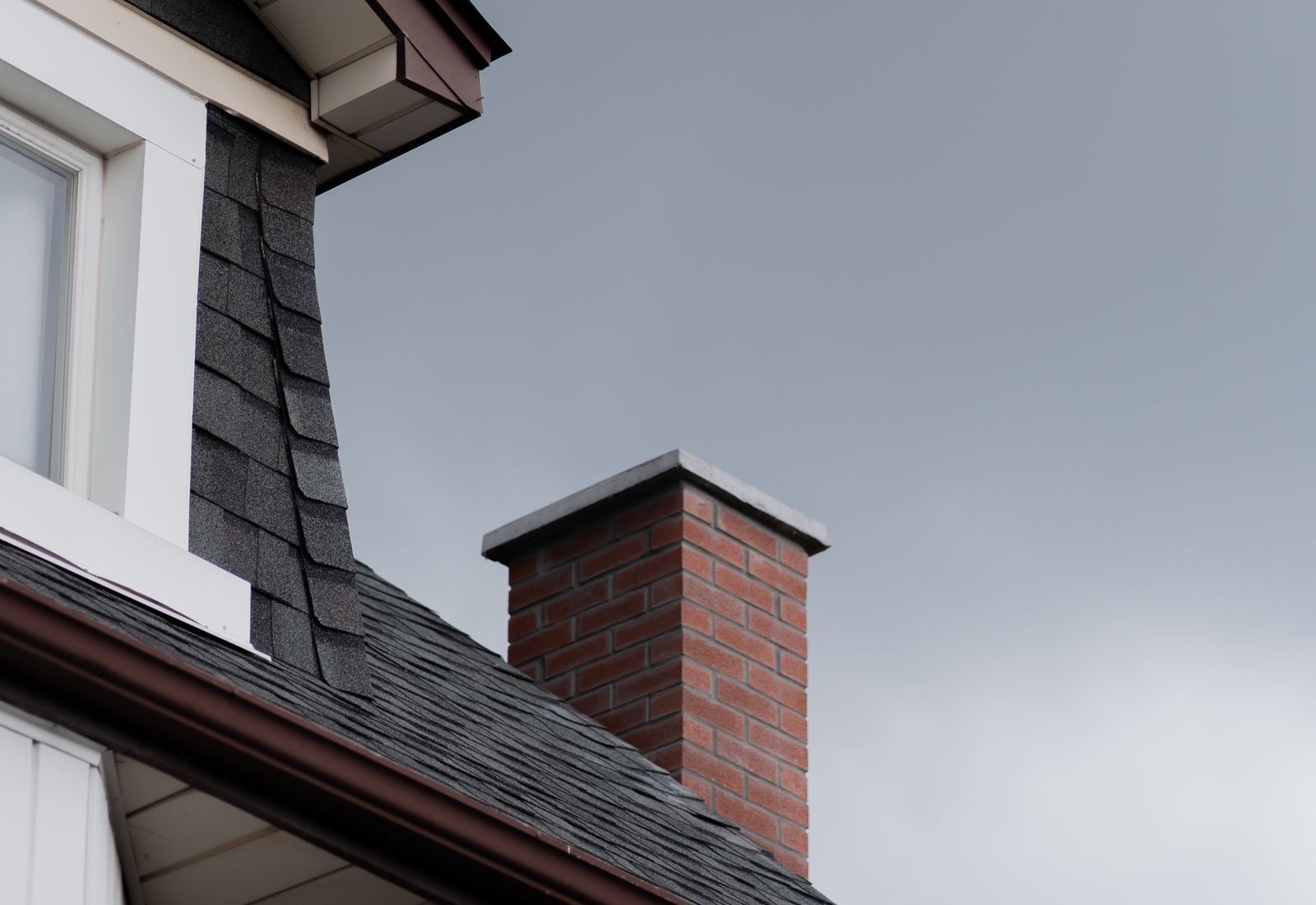
Cedar roofs have a distinct appearance and a natural material response to weather. In Metro Vancouver, repeated moisture, shade, needles, leaves, and organic growth can create maintenance needs that differ from asphalt shingles.
The goal of cedar roof care is not to force every shake back to a new, identical colour. It is to understand the material condition, keep drainage paths clear, and identify areas where cleaning is no longer enough.
How cedar changes over time
Cedar shakes weather, dry, and move with environmental conditions. Colour changes are normal. Splitting, curling, softness, missing material, exposed fasteners, and movement at roof details can be more important than colour alone.
Previous treatments or coatings can also influence the surface and any future maintenance recommendation. If the treatment history is known, share it before work is planned.
Debris between shakes matters
Needles, leaves, and fine organic material can pack into keyways, valleys, and lower roof sections. That material may slow drainage and hold moisture longer than the surrounding exposed cedar.
Pay attention to areas below overhanging branches, behind chimneys or skylights, and where multiple roof planes meet. The gutter system also receives material from the cedar surface and surrounding trees.
Moss and lichen on cedar
Organic growth often appears first where the roof remains shaded. The appropriate response depends on the cedar condition. Weathered or fragile shakes should not be treated with a method chosen only for speed or immediate appearance.
A cedar roof maintenance assessment should identify the visible growth, roof age, shake condition, access, and drainage concerns before a scope is confirmed.
Cleaning cannot repair failed cedar
Maintenance can remove debris and address some organic buildup, but it cannot restore a shake that is split, missing, badly curled, or structurally deteriorated. Those conditions may require cedar-specific repair or broader roofing advice.
This distinction is important because cleaning a failing roof can reveal more damage without solving the reason water is entering. An inspection may be the right first service when the material condition is uncertain.
How often should a cedar roof be checked?
There is no universal interval. A roof below mature evergreens may collect material much faster than a sunny roof on an open lot. Steepness, orientation, valleys, dormers, and previous maintenance history also matter.
A useful routine is to observe the roof safely from the ground after major leaf drop and winter storms. Look for debris concentrations, displaced shakes, unusual dark areas that remain wet, and gutters that overflow. Do not walk on cedar without the right training and equipment.
Information that helps with a quote
- Approximate roof age and any known repair history
- Previous treatments or coatings
- Areas where moss, lichen, or debris is most visible
- Roof height, slope, and access limitations
- Photos taken safely from the ground or an upper window
Roof Upkeep provides cedar roof maintenance across Metro Vancouver. The quote and expected result are based on the specific roof rather than a one-size-fits-all cleaning promise.