
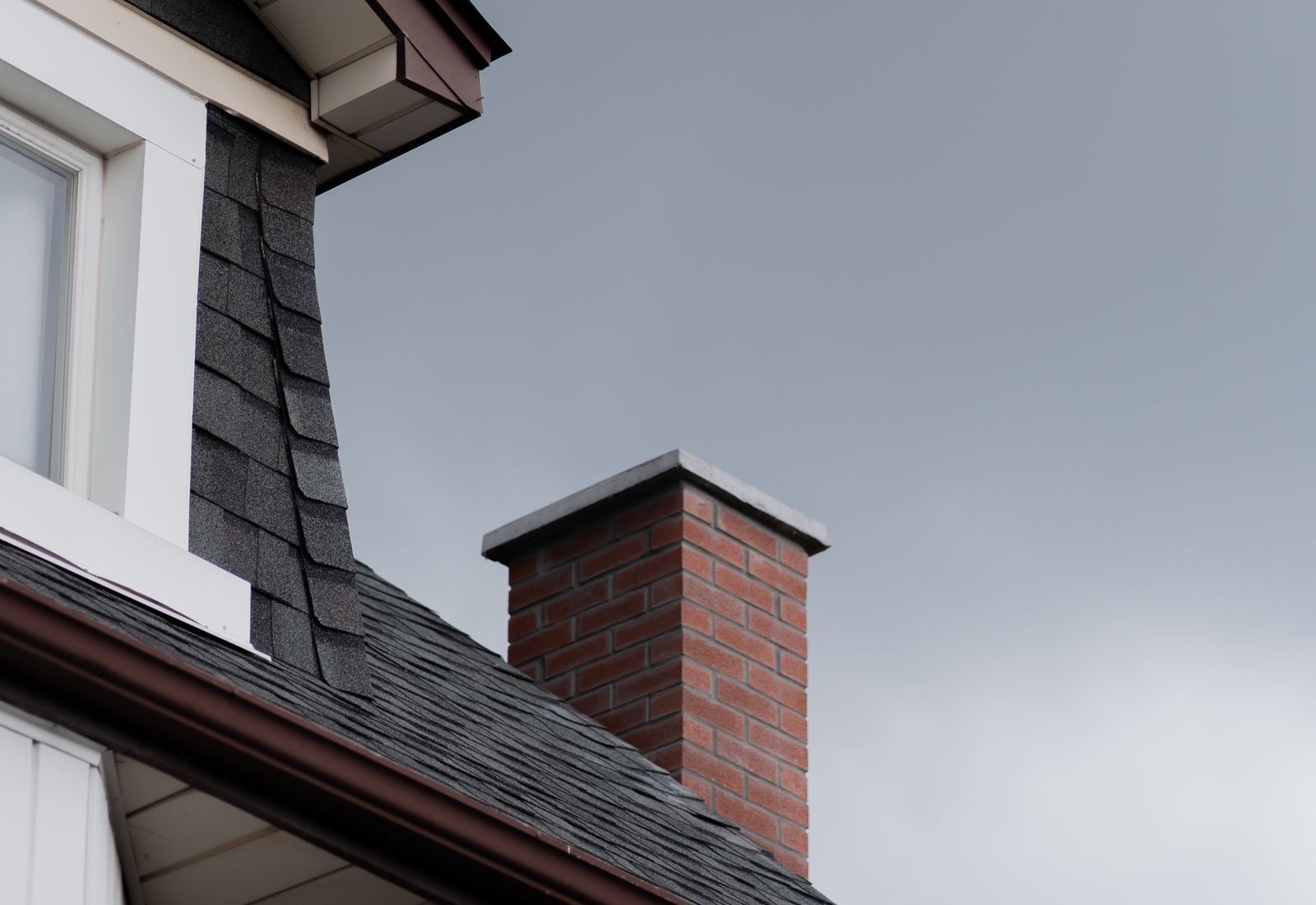
A localized roof repair can be practical when damage is limited, the surrounding roof remains serviceable, and the new work can be integrated into the existing waterproofing. The key question is not whether one section can be replaced—it is whether that section can be repaired reliably without creating weak transitions.
Good candidates for localized repair
- A small wind-damaged area with sound surrounding shingles
- A failed vent or chimney flashing detail
- Damage from a branch confined to one roof plane
- A limited deck repair with accessible tie-in points
- A newer roof with identifiable materials
What makes a partial repair difficult
Older shingles can be brittle and may crack when lifted for integration. Replacement products may differ in size, exposure, colour, or fastening pattern. On low-slope membranes, seam preparation and material compatibility matter. Complex valleys or wall intersections can expand the necessary scope beyond the visibly damaged spot.
Matching colour is not the same as matching performance
Even the correct product can look different because the existing roof has weathered. A cosmetic mismatch may be acceptable if the repair is sound; however, a visually close substitute is not automatically technically compatible.
Ask how water will move across the repair
The contractor should explain the removal boundary, deck condition, underlayment, flashing, fasteners, and how each layer ties into the existing roof. Surface sealant alone is rarely a substitute for correctly integrated materials.
When a larger scope may be more sensible
If materials are fragile across the roof, leaks occur in unrelated areas, or the deck is widely damaged, repeated patches may provide poor value. A roof inspection can document the broader condition before you decide.
Keep repair records
Save photographs before, during, and after work, plus product names and warranty terms. These records make later maintenance and replacement planning much easier.