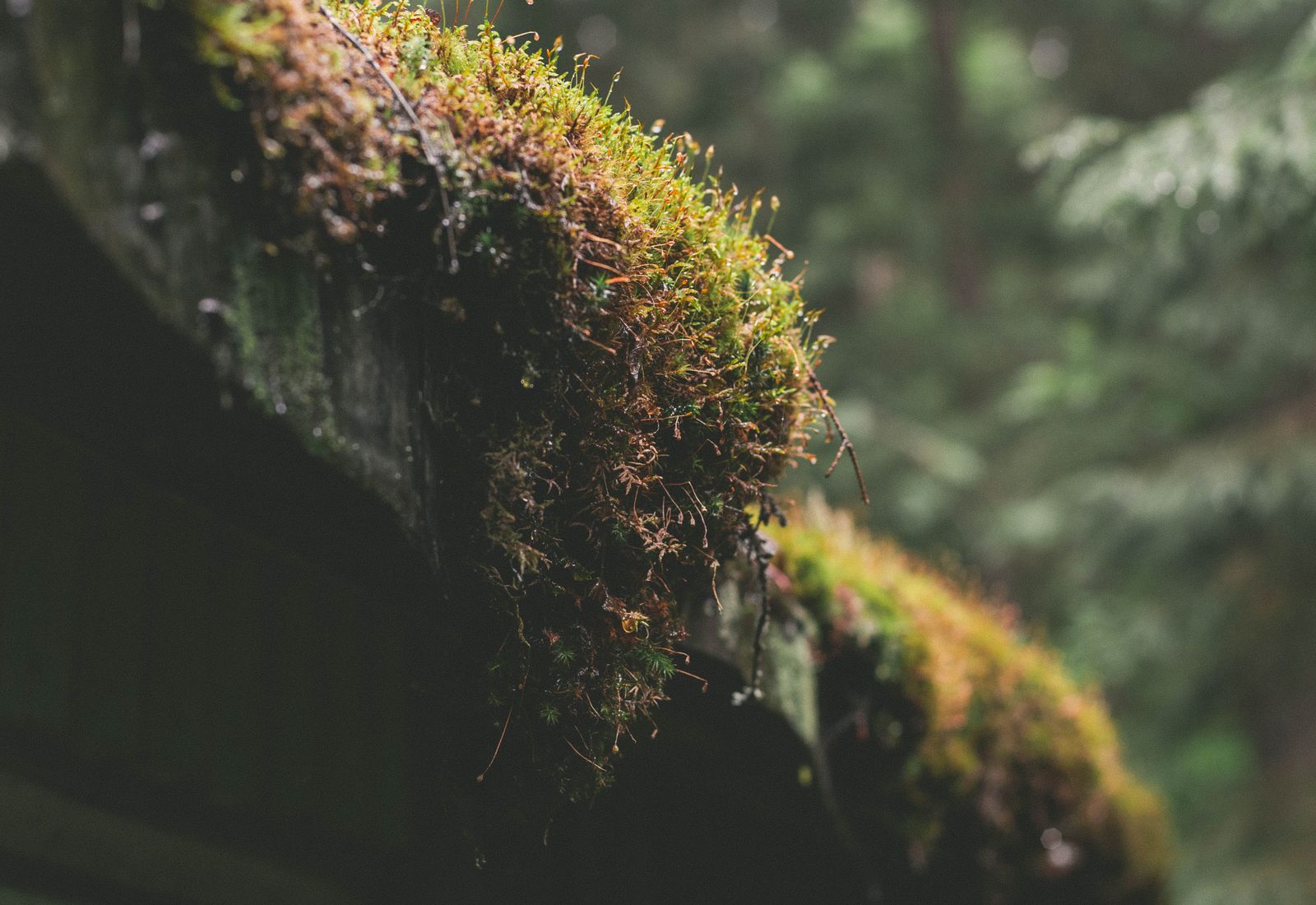
If you live in Metro Vancouver, you have almost certainly looked up at your roof and noticed patches of green creeping across the shingles. Moss is a fact of life in the Lower Mainland, where rain and mild, damp conditions give it everything it needs to thrive. Left alone, that fuzzy green layer can do more than make your roof look neglected — it can slowly work its way under the shingles and shorten the life of your roof.
Knowing how to remove moss from a roof the right way matters. Use the wrong technique and you can easily damage asphalt shingles or cedar shakes in a single afternoon. This guide walks you through a safe, effective approach, and helps you decide when the job is small enough to handle yourself and when it is best left to a professional roof-care company.
Why Moss Grows on Roofs in the Lower Mainland
Before we talk about removal, it helps to understand the problem. Moss spores are everywhere in this part of the world. They need three things to take hold: moisture, shade, and a surface to grip. A north-facing roof slope, or one shaded by tall cedar trees, stays damp long after the sun has dried the rest of your home. Those are exactly the spots where moss first appears.
Over time, the moss holds water against the shingles, keeping them wet for days. That constant moisture helps moss spread and weakens asphalt shingles and cedar shakes alike.
The Right Way to Remove Roof Moss
Whether you are working on asphalt shingles or cedar shakes, the goal is the same: remove the moss without tearing up the surface underneath. Here is a sensible, step-by-step approach.
1. Start with a Dry Roof
Pick a stretch of dry weather. Working on a wet, slippery roof is dangerous, and it makes the moss heavier and harder to manage. A dry day keeps both you and your roof safer. Late spring and late summer are usually the best windows in Vancouver.
2. Rake Gently, Never Scrape
A soft-touch rake designed for roofs, or a plain plastic rake used very lightly, will lift loose moss off shingles. Work in the direction of the slope, from the ridge down toward the eaves.
Avoid using metal scrapers, shovels, or putty knives. Hard edges can scrape the protective granules off asphalt shingles or gouge cedar shakes, causing damage that shows up years later.
3. Sweep Away the Debris
Once the moss is broken up, use a soft-bristled broom to sweep the remaining bits toward the edges. Removing the debris is important because dead moss left in the valleys and gutters holds water and can cause clogs.
4. Treat the Surface, Don’t Pressure Wash
After the moss is gone, the surface needs treatment to slow regrowth. For most homeowners, a gentle application of a moss-control product or a zinc-based solution is far safer than high-pressure washing.
Pressure washing a roof is risky. High pressure can blast away granules, force water up under the shingles, and actually speed up deterioration. If you pressure wash, it must be done by someone who understands roofing — the correct setup is low pressure and a wide spray, often called soft washing.
5. Protect the Gutters and Plantings
Moss removal and treatment create runoff that can harm garden beds and lawns. Cover sensitive plants, and make sure the treatment you use is appropriate for your landscaping. A professional team will take these precautions as a matter of course.
When You Should Absolutely Call a Professional
Some moss-removal jobs are genuinely small and safe to handle yourself. Others are not. Call a professional roof-care company if:
- The moss has grown under the shingle edges or shakes, lifting them.
- You have a steep roof, a multi-storey home, or poor access.
- You are not comfortable working at height or don’t have the right safety gear.
- The roof is older and brittle, and you are worried about cracking granules.
- Moss covers a large portion of the roof surface.
A professional team (like the one at RoofUpkeep.com) has the equipment, insurance, and experience to clean a roof without damaging it — and they’ll usually spot early signs of wear that a homeowner might miss.
A Word About Prevention
Removing moss is only half the battle. To keep it from coming back, trim back overhanging branches to let sunlight and air reach the roof, keep gutters clear, and consider zinc or copper strips near the ridge, which slowly release trace amounts of metal that discourage moss growth. We cover prevention in more detail in our guide on why roofs get moss.
Conclusion
Moss on your roof is not just unsightly — over time it can damage shingles and shorten the life of your roof. The good news is that, with the right technique and a little patience, it can be removed safely. Rake gently, never scrape, treat the surface, and steer clear of high-pressure washing. For bigger jobs or anything you’re not comfortable doing at height, bring in a professional.
If your roof needs attention, the team at RoofUpkeep.com specializes in safe moss removal, roof cleaning, and inspection for homes throughout Metro Vancouver — including New Westminster, Burnaby, Coquitlam, and Surrey. Get a free quote by filling out the quick form at https://roofupkeep.com/#quote or call us at +1-778-513-7503. We’ll help you protect one of the biggest investments you’ll ever make.