
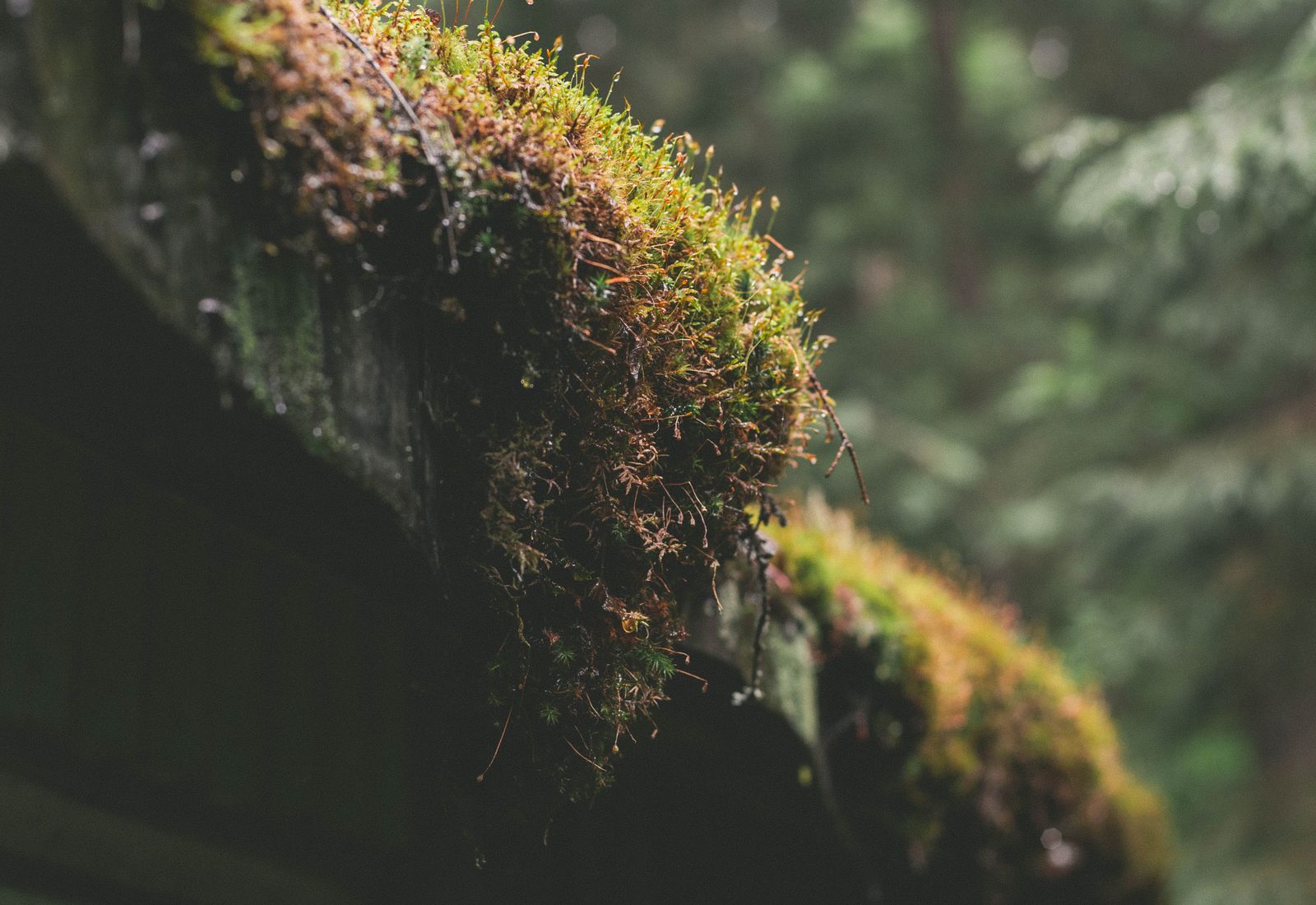
Moss is common on Metro Vancouver roofs because the region offers long wet periods, shade, tree cover, and roof planes that can dry slowly. A small patch is not the same as an emergency, but established growth should not be ignored.
Moss can hold moisture and collect more debris. As it thickens, it may work around the edges and joints of roofing materials. The concern depends on the roof type, age, condition, slope, and how long the growth has been present.
Why moss grows on some roof planes first
North-facing and shaded surfaces often stay damp longer than exposed areas. Roof sections below evergreen branches may receive a steady supply of needles and organic material. Valleys, areas behind obstructions, and surfaces beside dormers can also dry slowly.
Two sides of the same roof may look completely different. That is why a quote based only on total roof area can miss important details about growth and access.
What moss can affect
- It can retain moisture against the roof surface.
- It can trap leaves, needles, and dirt that slow drainage.
- Thick growth can hide the visible condition below it.
- Growth around shingle edges or cedar keyways may interfere with normal water movement.
- Fragments can move into gutters and downspout entries.
Moss does not affect every roofing material in exactly the same way. Asphalt shingles, cedar shakes, concrete tiles, and metal roofs each have different surfaces, joints, coatings, and maintenance limits.
Why aggressive removal can be a problem
The goal is not simply to make the roof look clean as quickly as possible. A harsh method can remove material, loosen already fragile components, or create a result that looks uniform from the ground while shortening the useful life of the surface.
A responsible roof moss removal plan begins with the material and visible condition. A roof with brittle shingles, advanced granule loss, split cedar, loose components, or other damage may need a different recommendation.
Will moss come back?
No maintenance method can promise that roof moss will never return. Spores are part of the environment. Future growth depends on moisture, shade, surrounding trees, orientation, roof design, and how much debris remains on the surface.
Homeowners can reduce some of the conditions that support growth by keeping roof drainage paths clear, arranging appropriate tree care, and checking areas that stay shaded. Any tree work should be performed safely and with attention to the health and ownership of the tree.
When to request a roof review
Ask for an assessment when moss is spreading across multiple planes, forming thick clumps, collecting debris in valleys, or returning quickly after previous work. It is also useful when the roof age or material condition is uncertain.
If the roof is wet, steep, or unfamiliar, do not climb onto it to inspect moss. Photos from the ground or an upper window are enough to start a conversation. Roof Upkeep can help determine whether the next step is cleaning, moss removal, inspection, or repair guidance.