
Ask most homeowners what keeps water out of their roof, and they’ll point at the shingles. It makes sense — the shingles are what you can see. But the real engineering happens in the details: the metal pieces that seal every valley, chimney, skylight, and vent. That’s roof flashing, and in Metro Vancouver’s wet climate, it’s often the quiet source of leaks that homeowners blame on shingles.
Here’s what surprises people: a roof can look perfectly healthy from the ground while the flashing is quietly failing. Because flashing handles the highest-risk areas of the roof — the seams and transitions — a small flashing failure can cause big problems in a hurry. Understanding how flashing works, and how to tell when it’s failing, is the smartest thing you can do for your roof.
What Exactly Is Roof Flashing?
Flashing is the metal (or in rare cases, rubberized) material installed at every point where the roof changes shape or meets something sticking out of it. You’ll find it:
- In valleys, where two roof slopes meet and channel water together
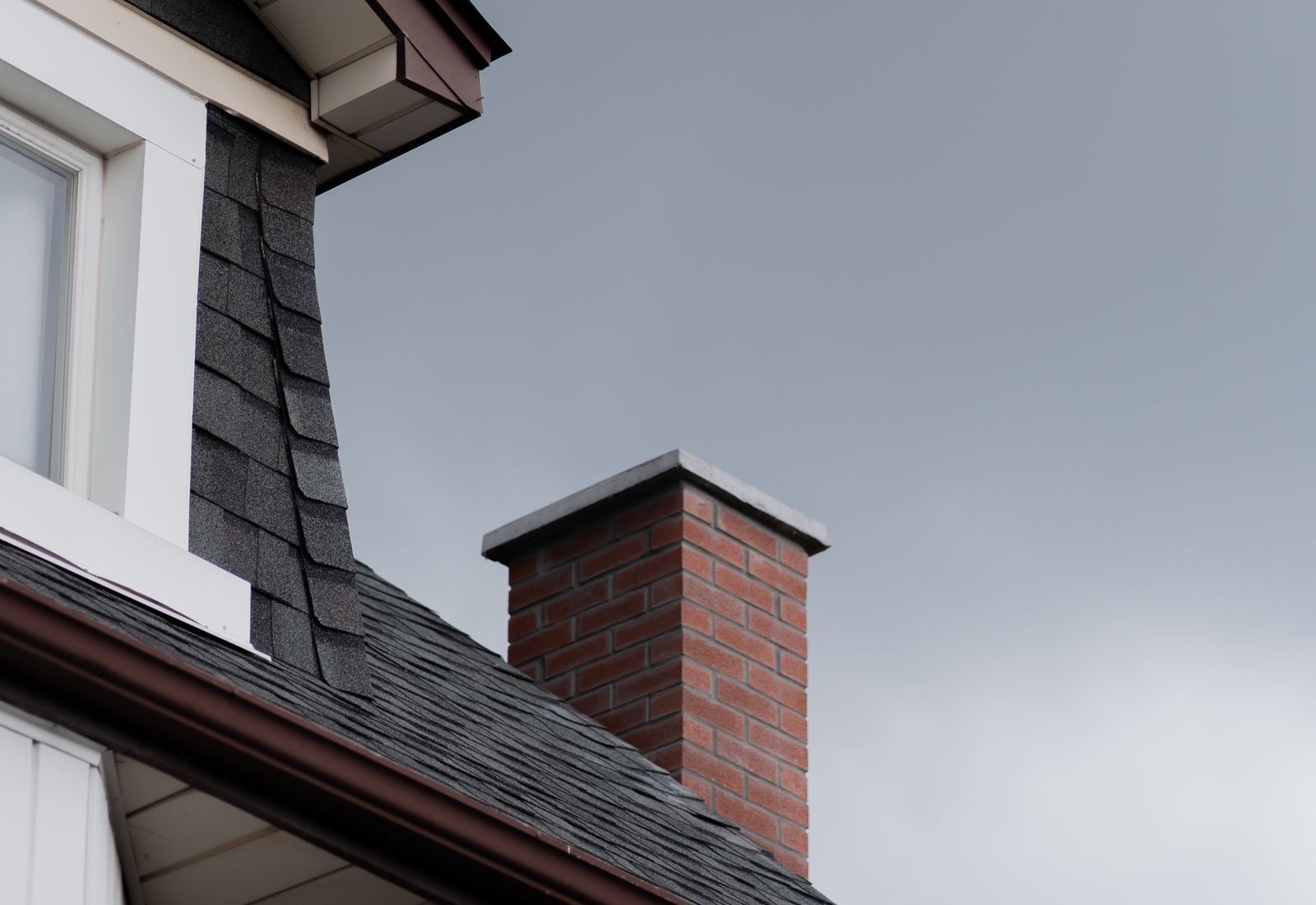
- Around chimneys, where a masonry structure penetrates the roof
- Around skylights, which are essentially a box of flashing
- Around vents and pipes, the plumbing and exhaust stacks poking through
- Along eaves and rakes, the edges where the roof meets the gutter line
In the Lower Mainland, most flashing is made of galvanized steel or aluminum, chosen for its resistance to corrosion from our frequent rain.
Why Flashing Fails – And Why It Matters Here
Flashing doesn’t fail because it’s cheap or poorly installed (though installation quality definitely matters). It fails because it works hard:
Constant Thermal Cycling
We may not have extreme cold, but we do have constant temperature swings — warm days, cool wet nights, and sunny morning-to-drizzle-afternoon changes. Metal expands and contracts more than roofing materials, which over time loosens the fasteners and opens tiny gaps.
Corrosion and Galvanic Reaction
Two different metals touching — say, aluminum flashing against copper flashing or certain fasteners — can corrode chemically over time. Our rain accelerates this. Corrosion thins the metal and creates weak spots.
Failed Sealant
The tubes of sealant used at flashing edges and overlaps dry out and crack within a few years. Once that sealant fails, water has a path in even if the metal itself is intact.
Physical Stress
Roofs in Metro Vancouver often support moss growth and trapped leaves. This keeps moisture against the flashing for long stretches, speeding corrosion and keeping seals wet.
Signs Your Flashing Needs Attention
Flashing problems don’t announce themselves loudly. But there are several clues to watch for:
- Water stains on ceilings, especially near walls, chimney alcoves, or below skylights — the classic flashing leak signature
- Rusted or pitted metal, visible from the ground near valleys, chimneys, or vent pipes
- Lifted or separating flashing, where a metal edge has pulled away from the shingles or masonry
- Cracked, dried-out sealant around chimneys and vents
- A musty damp smell in the attic, even without a visible stain
If you spot any of these, it’s worth having a professional take a close look. Catching a flashing issue early is far cheaper than letting it quietly soak the framing, insulation, and drywall around a chimney or valley.
When Is Roof Flashing Replacement the Right Call?
Not every flashing problem needs a tear-out. Often a skilled worker can reseal, re-bend, or overlay a failing section. But there are clear cases where replacement is the better value:
- The metal is severely corroded or pitted — patching it again only delays the problem
- The flashing is rusted through with visible holes or weak spots
- A re-roof is happening anyway — it’s the perfect time to refresh flashing properly
- Sealant-based fixes have failed repeatedly on the same section
A good rule of thumb: if the flashing has failed more than once in the same spot, don’t keep patching it. A proper flashing replacement, installed correctly, is a decades-long fix.
Why This Often Feels Like a “Hidden” Problem
Flashing sits where we don’t look. It’s hidden in shadows, tucked beside chimneys, and buried in valleys. It’s not at eye level like siding or as obvious as a missing shingle. That’s why many Lower Mainland homes have flashing that’s quietly aging — and why leaks so often seem to come from nowhere, blamed on “the roof” when the real culprit was a specific metal seam.
The good news: flashing is repairable and replaceable without touching the whole roof. A targeted flashing repair or replacement can fix a chronic leak and protect your home’s interior from further damage.
Protect Your Roof at Its Most Vulnerable Points
Your shingles are doing their job — but your roof is only as strong as its weakest seam. If you’ve noticed a leak near a chimney, valley, or skylight, or if your flashing is showing its age, don’t wait for the problem to spread.
RoofUpkeep specializes in the kinds of targeted roof repairs — including flashing replacement and resealing — that keep healthy roofs performing for years. We serve New Westminster and across Metro Vancouver, including Burnaby, Coquitlam, Port Coquitlam, Surrey, Vancouver, and Richmond.
Let us take a close look at your flashing and give you an honest, clear picture of what it needs. Request your free quote at roofupkeep.com/#quote or call 1-778-513-7503. We’ll help you fix the hidden weak point before it becomes a visible problem.