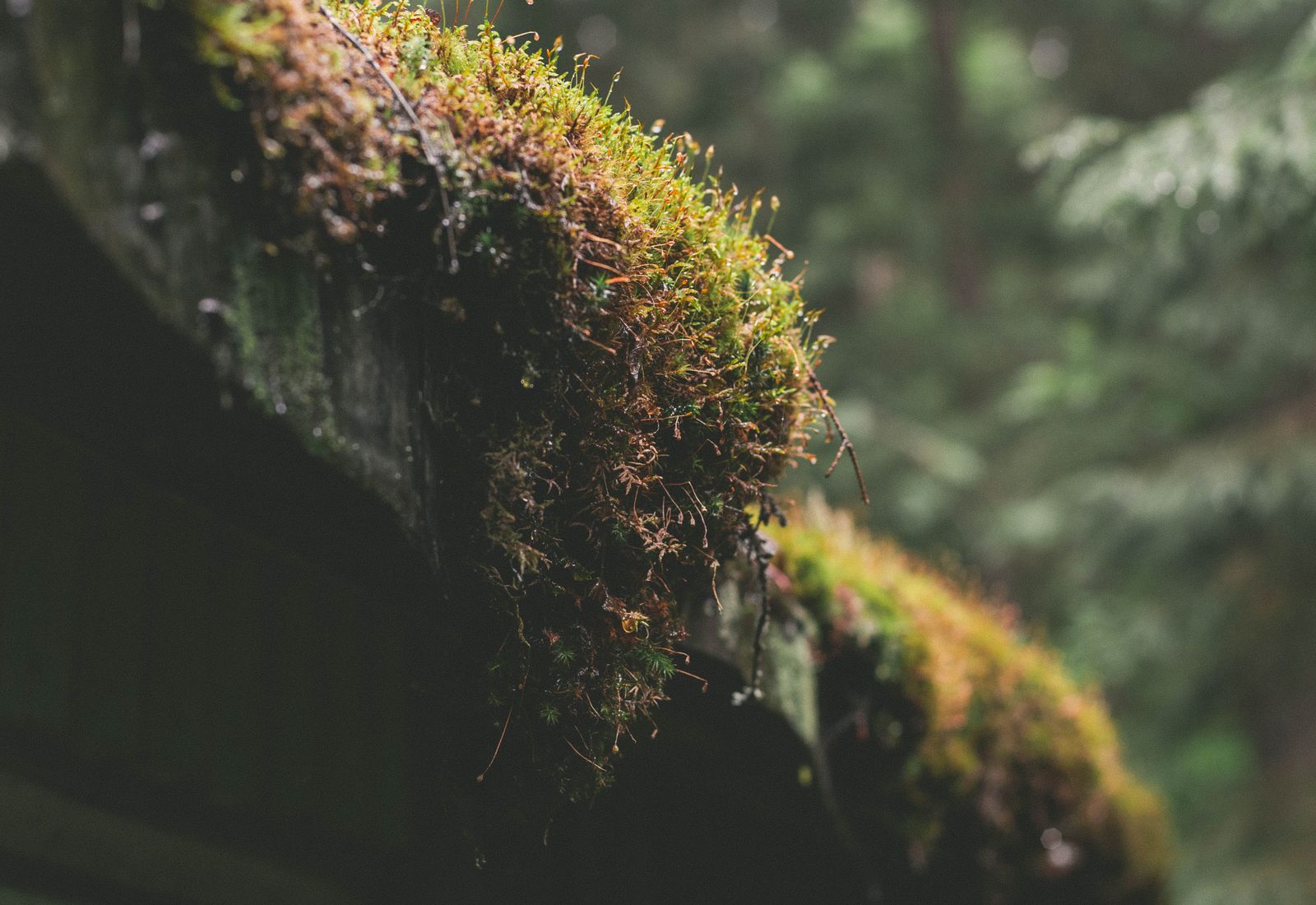
When you search “roof cleaning” in Metro Vancouver, you will see two very different approaches advertised: soft washing and pressure washing. To most homeowners the difference might seem like technical jargon — it’s just cleaning the roof, right? Wrong. The method used on your roof can mean the difference between a clean surface and one that has quietly lost years of its life.
Understanding soft washing vs pressure washing for roofs is one of the most important things you can learn before hiring anyone to work on your home. This guide breaks down how each method works, why one is so risky on roofing, and how to make sure your roof gets the treatment it deserves.
What Is Pressure Washing?
Pressure washing (often called power washing) uses a high-pressure stream of water to blast dirt, moss, and grime off surfaces. On concrete driveways, patios, and siding, it can be very effective.
But roofing is a different story. Asphalt shingles are coated with granules that protect them from the sun and weather. A high-pressure jet can easily strip those granules away, exposing the felt underneath and dramatically shortening the life of the shingles. In the Pacific Northwest’s wet climate, that damage can show up fast.
The Risks of Pressure Washing a Roof
- Granule loss — the abrasive spray wears away the protective coating.
- Water forced under shingles — high pressure drives moisture up under the edges, where it can cause rot and leaks.
- Cracked shakes — on cedar roofs, high pressure can split and shred the wood.
- Driver’s-seat damage — many pressure-washing crews clean lots of driveways and patios, and their equipment is tuned for concrete, not roofs.
The core problem with pressure washing a roof is that the force that makes concrete look brand new is the same force that damages roofing materials.
What Is Soft Washing?
Soft washing is a low-pressure cleaning process that uses a gentle water flow combined with purpose-made cleaning and treatment solutions. Instead of relying on brute force to knock moss off, soft washing lets the solution break down moss, algae, and organic stains, and then uses a light rinse to wash them away.
Because the pressure is low, the granules on asphalt shingles and the surface of cedar shakes stay where they belong. It is, in most cases, the safer and more professional choice for roofing.
Why Soft Washing Suits Pacific Northwest Roofs
Soft washing is especially well suited to the kind of roofs we live under in the Lower Mainland:
- It removes moss and algae without scraping the surface.
- The treatment element keeps working to slow regrowth after the crew has left.
- It protects cedar shakes from the splitting that high pressure causes.
- It is gentler on older, more brittle roofing that many Vancouver homes have.
Which One Should a Roof-Care Company Use?
The honest answer is that a good roof-care company — one focused on roofing, not general pressure cleaning — will almost always favour low-pressure, soft-washing techniques for the roof itself. High-pressure washing has a limited, cautious role on very stubborn deposits, but only in the hands of someone who truly understands roofing.
This is a key way to tell a specialized roof-care business from a general “clean everything” operation. If the company you’re talking to talks confidently about “power washing” your roof, ask how they protect the shingles. A specialist company like RoofUpkeep.com will explain the low-pressure approach and why they use it.
How to Choose a Roof Cleaner
- Ask specifically whether they use high pressure or low pressure / soft washing on roofs.
- Confirm they work on your roof material (asphalt, cedar, or both).
- Check that they are insured and licensed.
- Ask what treatment they apply after cleaning to slow moss regrowth.
- Look for a company that specializes in roofing, not in patios and driveways.
Conclusion
The soft washing vs pressure washing debate comes down to one thing: protecting your roof while cleaning it. High pressure may look dramatic and fast, but on asphalt shingles and cedar shakes it can cause lasting damage. Soft washing cleans effectively while keeping your roofing material intact — which is exactly what a caring homeowner wants in a wet climate like ours.
At RoofUpkeep.com, we specialize in roof care for homes across Metro Vancouver and the Fraser Valley — new Westminster, Burnaby, Surrey, and beyond. Our approach is always chosen to protect your roof first. Get your free quote at https://roofupkeep.com/#quote, or give us a call at +1-778-513-7503.